
Nationwide tuning service available — by experienced technicians since 1910.
Piano Tuning
Why does my piano go out of tune?
There are a multitude of factors which affect the tuning and the stability of a piano. The entire piano is under continual stress to a varying degree and it is the fluctuations in these stresses that cause the piano to go out of tune.
Considering the 230+ steel strings that are tensioned to between 150–200lbs each means the cumulative total on the iron frame, and the solid wooden ‘back’, are subject to stresses of between 18–20 tons. When these strings slacken naturally their tension reduces and the piano then becomes out of tune.

Useful tips at a glance
- Have your piano tuned at least TWICE a year
- Keep it at A440 (Concert Pitch) if possible
- Keep the room temperature stable (70°F ±5°F) is ideal
- Keep the room humidity stable (50% ±5%) is ideal
How often should my piano be tuned?
It is impossible to give a definitive answer because so many factors affect tuning stability. In a domestic environment where temperature and humidity are relatively constant a guide is at least TWICE per year — 2–3 weeks after the heating goes on in winter, and 2–3 weeks after it has been turned off in summer. This delay gives the piano an opportunity to acclimatise to the new conditions and settle prior to the strings being brought back up to pitch.
Tuning a piano is a highly technical skill that takes many years of study and experience to master — it is generally recognised as something you should endeavour not to do yourself!
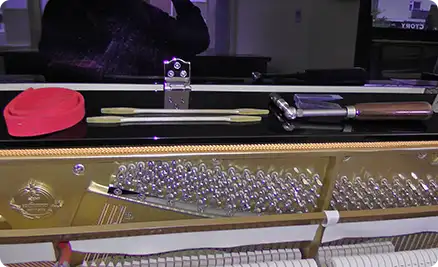
Why do the strings slacken?
The answer comes down to the piano's physical construction and its sensitivity to its environment. Below are the main factors that cause a piano to drift out of tune.

Tuning pins and the soundboard
In older pianos, the primary cause of strings slackening is the tuning pins, which are embedded in the wrest plank (or pinblock) becoming loose either due to general wear and tear over the years, or (more commonly) because the wrest plank has developed splits across or around the pin holes due to the wood drying out. Another primary cause is movement in the soundboard. This board is made of spruce and is responsible for the resonance of the piano. Spruce is used because of its elastic nature — the more elastic the soundboard the more pleasant the tone.
Atmospheric changes
Due to the very nature of the whole construction, pianos are very sensitive to atmospheric changes in temperature and barometric pressure. During the warmer months the atmosphere is quite humid and ‘water laden’ and the wood absorbs this and swells. The strings therefore tighten which causes the pitch to raise and the piano is then out of tune. During the winter, if heating is used, the moisture evaporates from the wood which therefore shrinks and the strings slacken and the pitch drops. If these variations become too severe it can ultimately lead to the soundboard cracking — a very expensive repair. Controlling temperature and humidity therefore plays an important part in preserving your piano.

Moving a piano
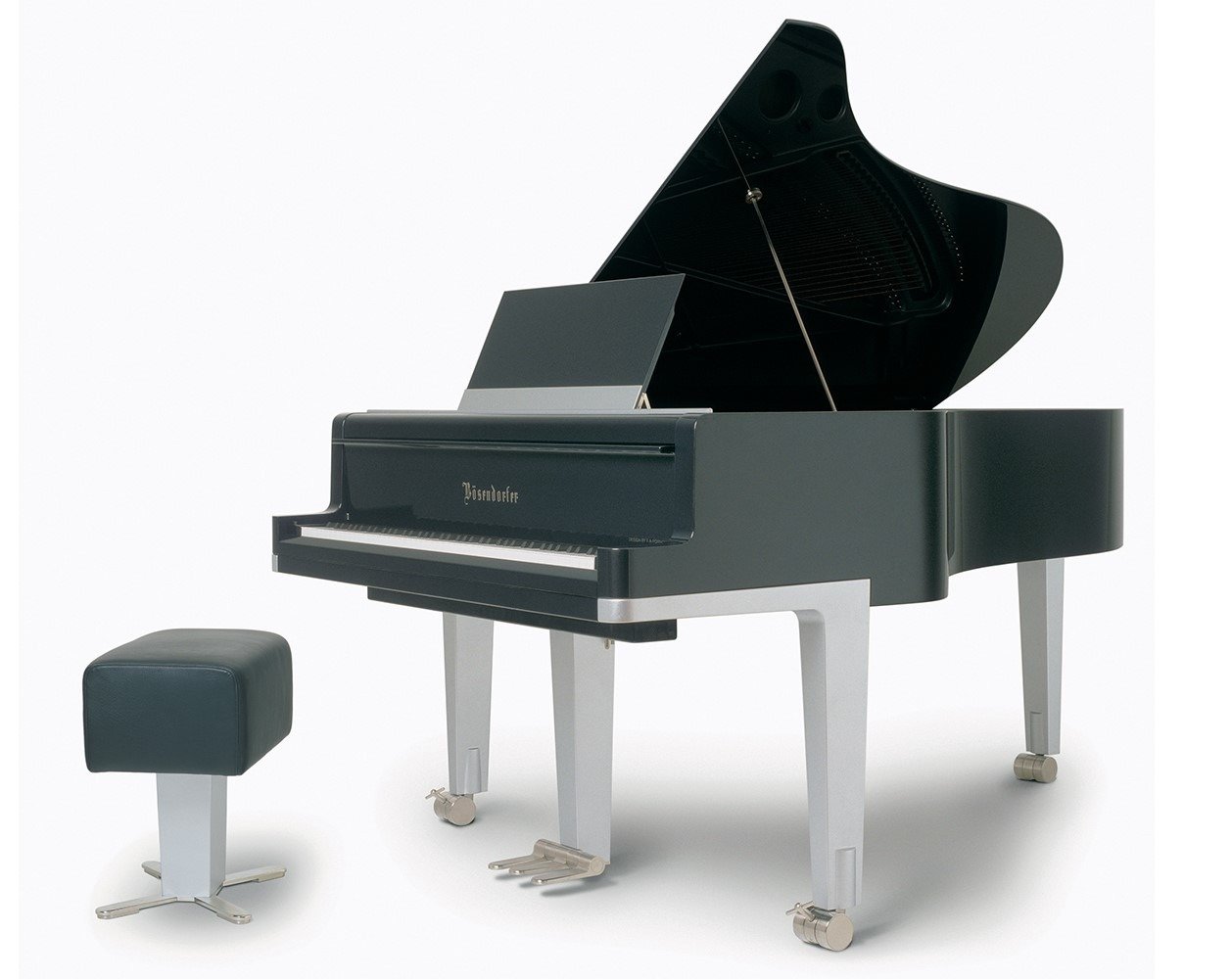
Contrary to popular belief, moving a piano does not usually make it go out of tune. Again it comes down to environment and atmospheric conditions. If a piano is moved from one room to another within a uniformly heated house, then it is unlikely to go out of tune (even if it is being moved up or down stairs). If however the piano is being moved to a different location with dissimilar conditions, it will almost certainly need tuning a couple of weeks after the move.
Continuous and heavy playing
Continuous and heavy playing will also make a piano go out of tune quickly, since the strings are being continually vibrated and will therefore slacken off over a period of time. If a pianist is playing that continually however, it is likely that they will be having their piano tuned 4–6 times per year. In commercial environments pianos can often need tuning on a weekly or monthly basis depending on usage and (again) environmental fluctuations.

Age of your piano
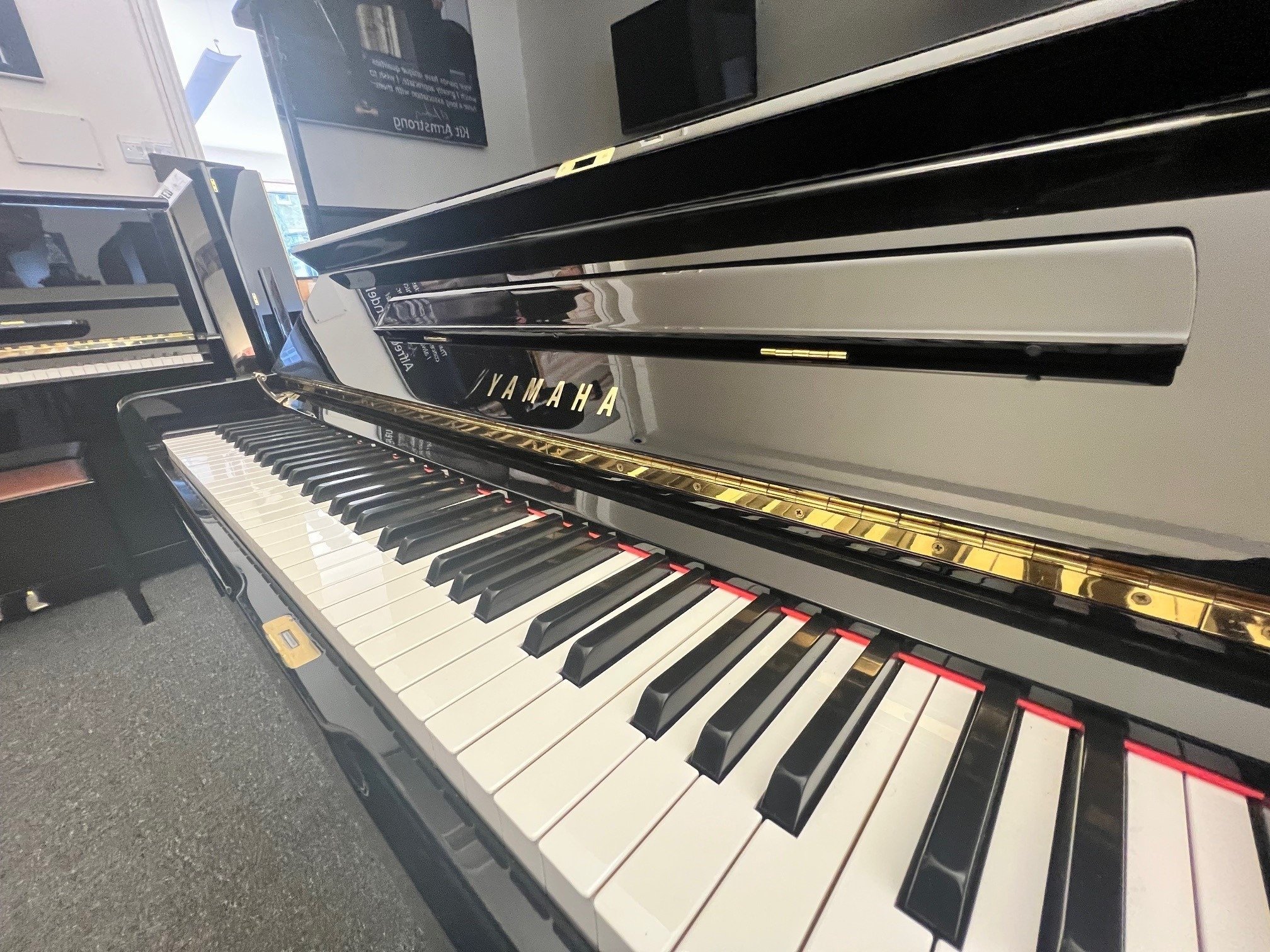
Age has great influence on the tuning stability. Very old pianos may well go out of tune quite quickly due to the condition of the tuning pins and the pinblock. Young pianos (less than 5 years old) can also suffer from tuning instability due to the strings stretching and needing to ‘bed’ in. Once stabilised, and provided the general principles of environment are adhered to, the piano should hold its pitch extremely well.
Small upright pianos
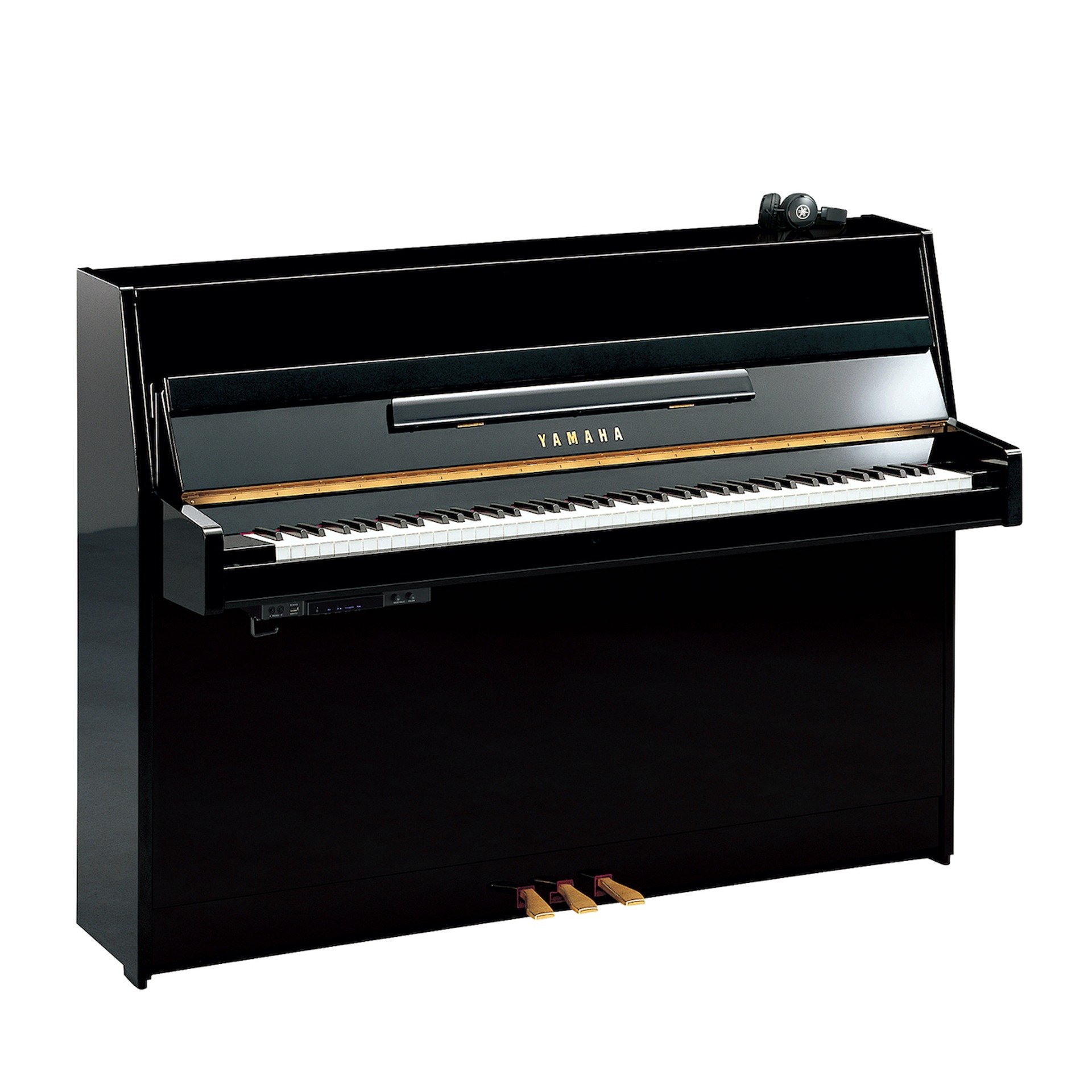
Small upright pianos which do not have particularly good supporting bracings at the back will often not hold their pitch particularly well. This is a limitation of ‘budget’ made instruments where cost of manufacture plays an important part.
How much does piano tuning cost?
The following table shows our pricing structure for piano tuning and servicing.
Standard Tuning
40 – 60 mins
Standard tuning visit for a domestic piano in regular service.
Book nowPitch Raise
90 – 120 mins · Two tunings required
For pianos that have drifted significantly below A440 and need to be brought back to concert pitch.
Book nowRegulating
½ day · Inspection needed
Adjustment of the piano action so each note responds evenly and consistently to the player.
Book nowFull Service
Full day · Inspection needed
Tuning, regulation, voicing and a full mechanical health-check in one visit.
Book nowCancellation with less than 48 hours notice — full fee charged.
These prices relate to normal hours of business: Monday – Friday 9:30am – 4:00pm. Tunings are available out of hours and at weekends, but do bear additional costs.
Piano Tuning FAQs
In a domestic environment with a stable temperature and humidity, we recommend having your piano tuned at least twice a year, keeping it at A440 (concert pitch) where possible. Pianos in heavy use, or in venues and schools, benefit from more frequent visits.
The 230+ steel strings inside a piano hold a combined tension of 18-20 tons, and any changes in temperature, humidity, heavy playing or the age of the instrument cause the strings to slacken and the pitch to drift. Regular tuning keeps this movement under control.
A standard tuning visit is £100. A pitch raise is £190, regulating is £400 and a full service is £800. Every visit is carried out by our experienced in-house technicians - use the booking form below and we will confirm your appointment.
Book a tuning
Tell us a little about your piano and we'll be in touch to schedule a visit.